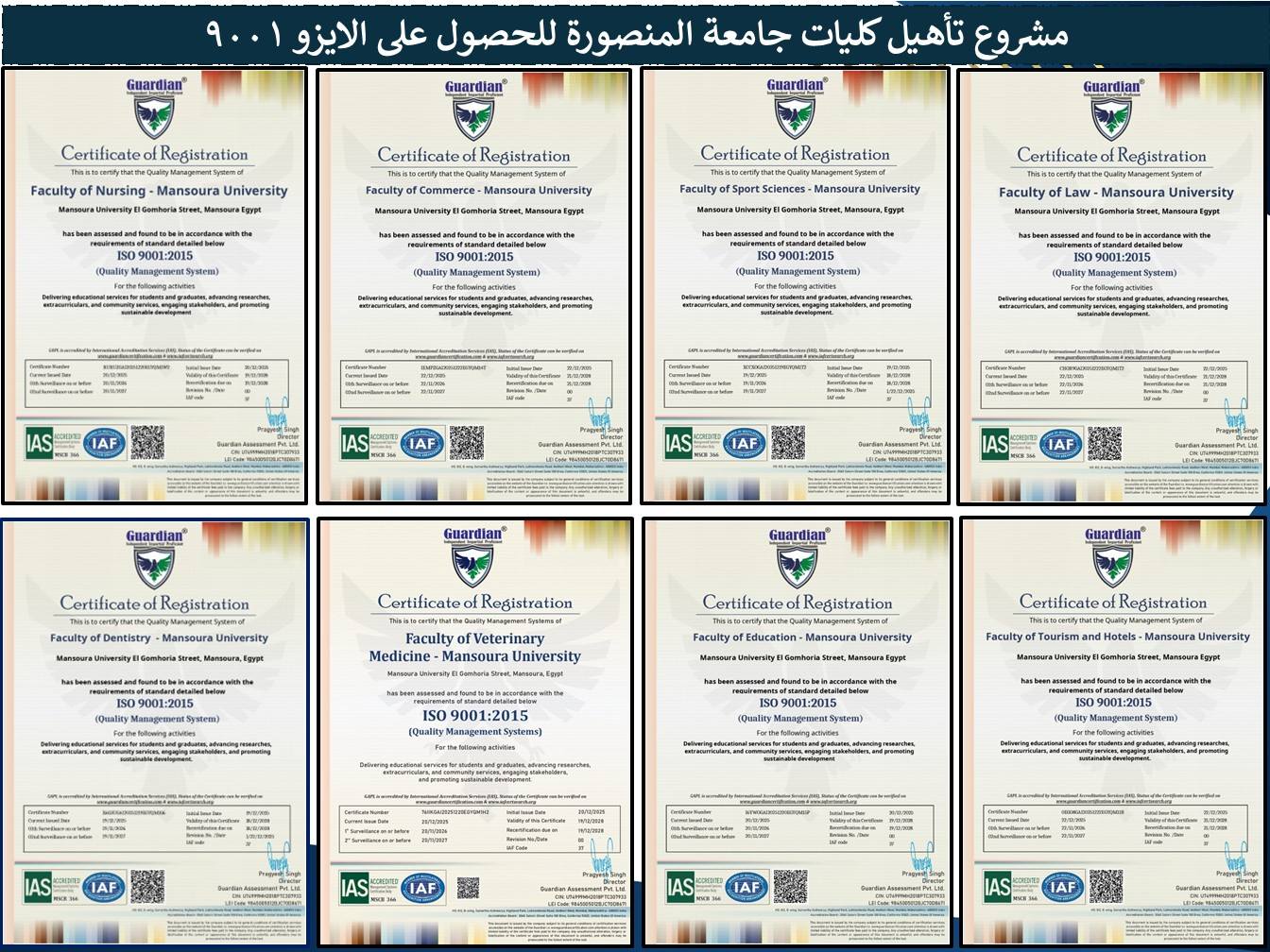
16 faculties of the university have been accredited in accordance with the requirements of the ISO 9001:2015 Quality Management System, as part of a comprehensive institutional project that reflects a clear strategic vision and precise systematic planning
President of Mansoura University Announces ISO 9001 Accreditation of 16 Faculties within an Integrated Institutional Project
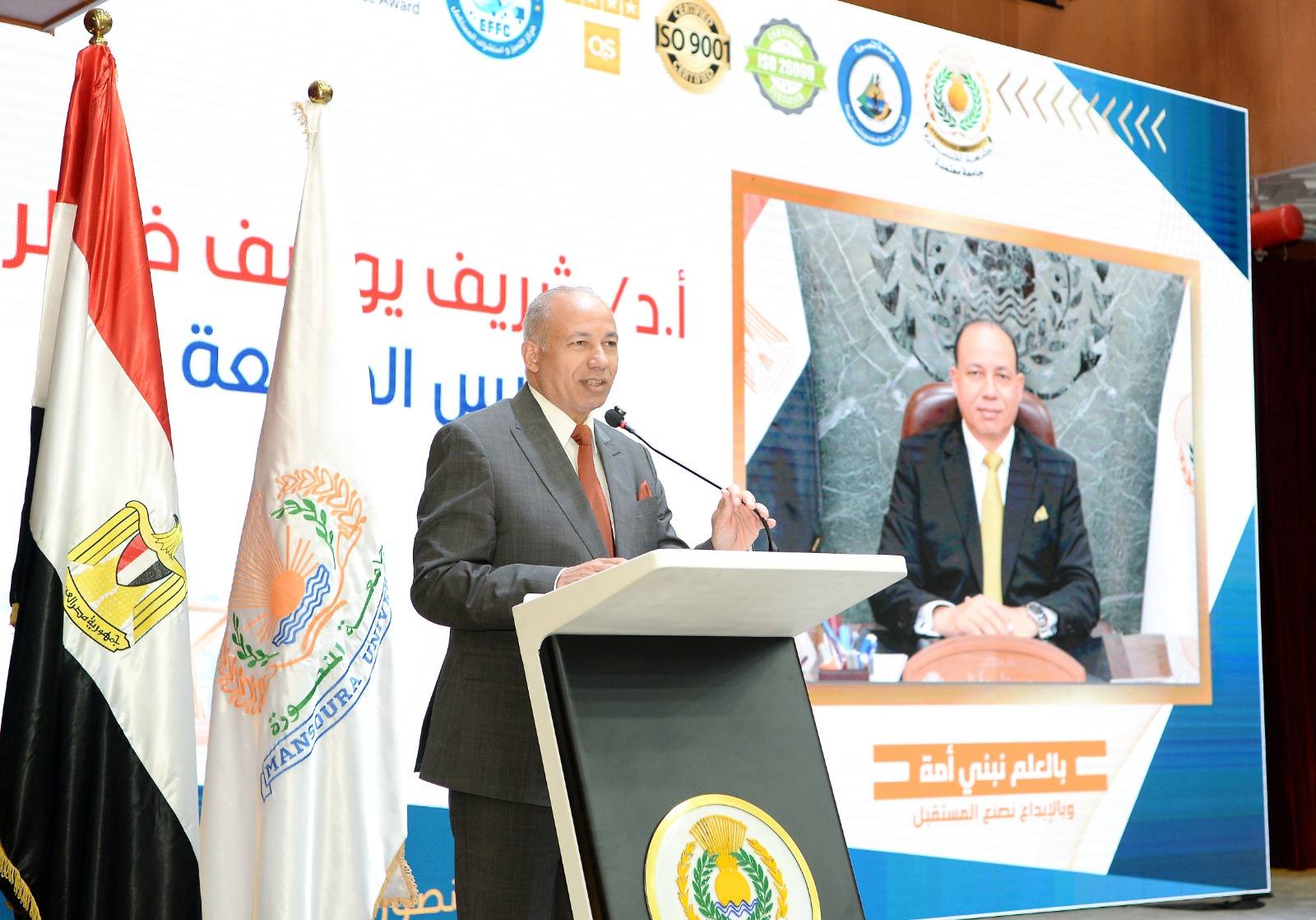
Dr. Sherif Khater, President of Mansoura University, announced that 16 faculties of the university have been accredited in accordance with the requirements of the ISO 9001:2015 Quality Management System, as part of a comprehensive institutional project that reflects a clear strategic vision and precise systematic planning. The project aims to unify policies and procedures, enhance performance efficiency, and entrench a culture of quality and sustainability within the university’s faculties.
This announcement was made during the ceremony of the Mansoura University Institutional Excellence Awards – Third Cycle 2025, marking a new milestone in the university’s journey toward enhancing institutional excellence and total quality.
The President of Mansoura University affirmed that this achievement extends the university’s success in renewing the ISO 9001:2015 certification for the General Administration of the University on June 25, 2025. He expressed his gratitude and appreciation to the Committee of the Faculties’ ISO Accreditation Project, headed by Dr. Mohamed Abdelazim, as well as the University Secretary-General, faculty deans and vice deans, faculty members, assistant staff, administrative staff, quality teams, and internal auditors, commending their sincere efforts and dedication which played a major role in achieving this accomplishment.
Dr. Khater emphasized the university’s continued commitment to completing its journey toward building a comprehensive and sustainable institutional system that supports its strategic plans, enhances its competitiveness, and keeps pace with best global practices in education and administration.
He further explained that the accreditation of this number of faculties reflects Mansoura University’s commitment to applying quality standards as a “way of work” and a deeply rooted institutional culture, rather than mere formal procedures, stressing that the university is steadily moving toward building a modern administrative and academic system capable of keeping pace with best global practices and achieving institutional excellence and leadership locally and internationally.
The accredited faculties include: Pharmacy, Science, Dentistry, Veterinary Medicine, Computers and Information, Law, Nursing, Commerce, Arts, Education, Sport Sciences, Agriculture, Fine Arts, Specific Education, Tourism and Hotels, and Early Childhood Education, in addition to the Faculty of Engineering, which has been accredited according to the same standard since April 2023.
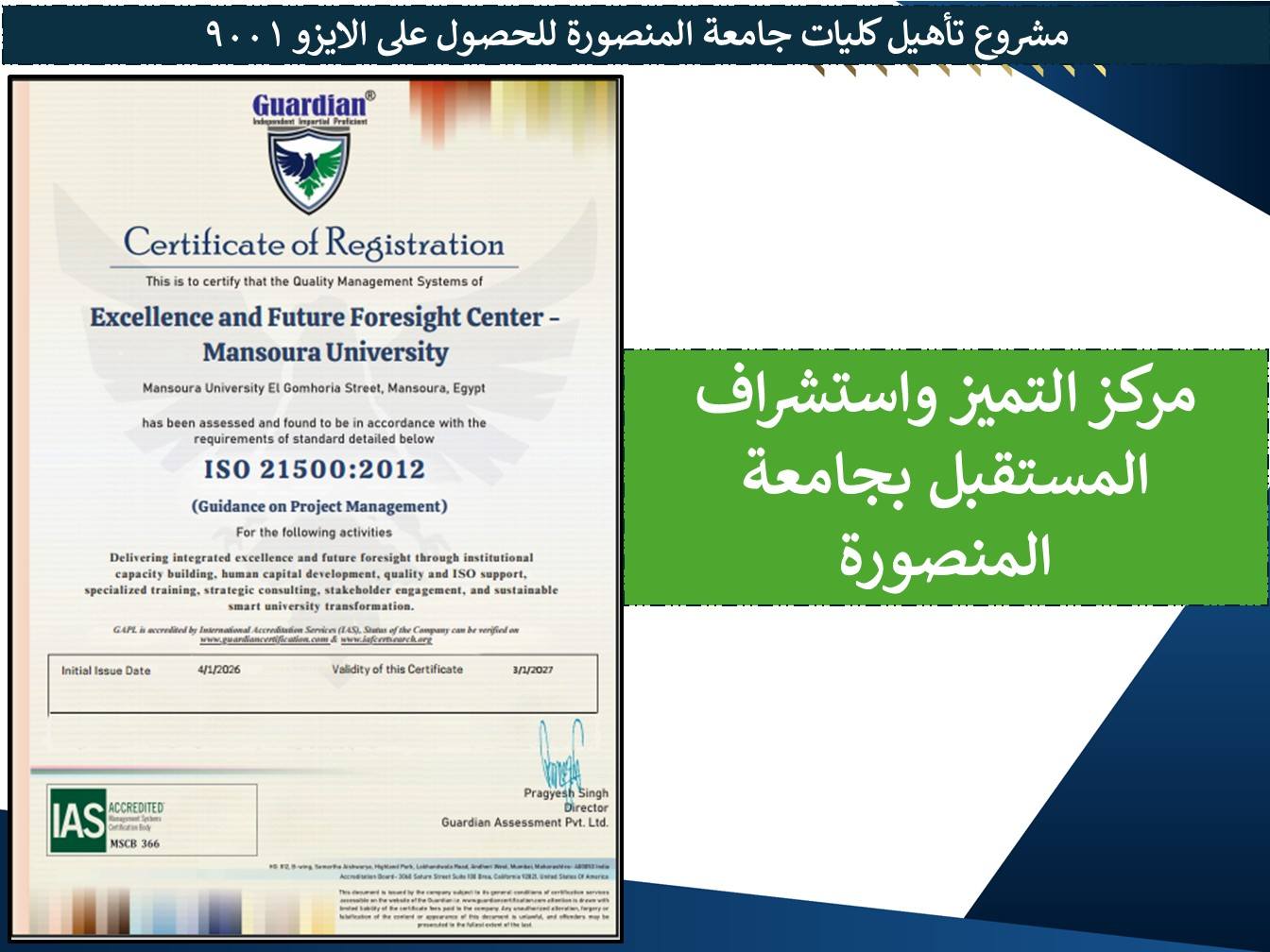
The President also added that, in recognition of the professional management and precise methodology applied in the project, the Center of Excellence and Future Foresight at the university has obtained the ISO 21500 certification for Project Management, confirming the efficiency of planning, implementation, and follow-up, and reflecting the university’s ability to manage major institutional projects in accordance with internationally recognized standards.
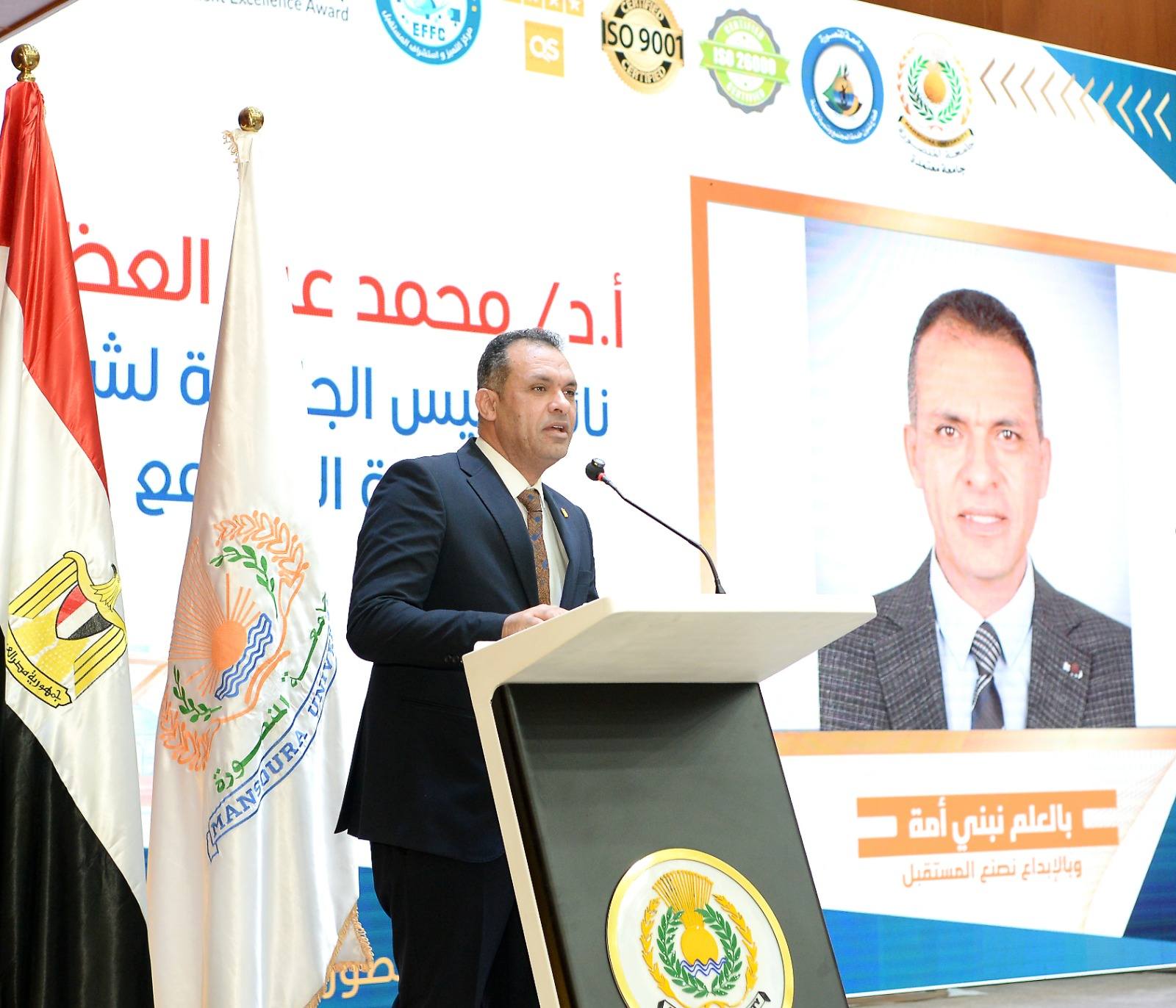
For his part, Dr. Mohamed Abdelazim, Vice President for Community Service and Environmental Development, stated that the project was implemented according to an institutional vision focusing on building an integrated and sustainable work system within the faculties, not limited to obtaining the certificate, but ensuring the actual application of the standard requirements, continuous performance improvement, and the establishment of a culture of institutional work based on systems and governance.
He noted that the Center of Excellence and Future Foresight prepared a comprehensive implementation plan for qualifying the university’s faculties, including clear and approved methodological stages, such as capacity building, unifying policies and procedures, conducting internal audits, addressing observations, leading to external audits and final accreditation.
Mr. Saad Abdelwahab, Secretary-General of the University, confirmed that the project received integrated administrative and organizational support, contributing to unifying procedures, facilitating work among different sectors, and enhancing teamwork spirit within the faculties, which positively reflected on performance efficiency and the quality of services provided.
In the same context, Dr. Walid Ali El-Tantawy, Assistant Secretary-General of the University and Head of the Internal Auditors Team, clarified that the university has focused from the outset on developing and updating procedures and documents, and building an effective internal audit system, ensuring full compliance with the standard requirements and achieving continuous improvement.
Dr. Beshoy El-Qossey Sidhom Bishay, Director of the Center of Excellence and Future Foresight and Director of the Faculties’ Accreditation Project, pointed out that the project was implemented based on a precise timeline and clear stages, including the formation of ISO teams in faculties through official decisions, awareness sessions, staff training, unification of policies and work models, and dividing faculty operations into main sectors to ensure comprehensive application.
He added that the project resulted in the implementation of 12 specialized training courses, training 497 trainees from faculty members and administrative staff, qualifying 85 internal auditors with a total of 40 training hours, and more than 5,100 actual working hours within the faculties, in addition to preparing a unified dashboard for procedures and codes, supporting governance and sustainability.
Dr. Sherif Khater, President of Mansoura University, announced that 16 faculties of the university have been accredited in accordance with the requirements of the ISO 9001:2015 Quality Management System, as part of a comprehensive institutional project that reflects a clear strategic vision and precise systematic planning. The project aims to unify policies and procedures, enhance performance efficiency, and entrench a culture of quality and sustainability within the university’s faculties.
This announcement was made during the ceremony of the Mansoura University Institutional Excellence Awards – Third Cycle 2025, marking a new milestone in the university’s journey toward enhancing institutional excellence and total quality.
The President of Mansoura University affirmed that this achievement extends the university’s success in renewing the ISO 9001:2015 certification for the General Administration of the University on June 25, 2025. He expressed his gratitude and appreciation to the Committee of the Faculties’ ISO Accreditation Project, headed by Dr. Mohamed Abdelazim, as well as the University Secretary-General, faculty deans and vice deans, faculty members, assistant staff, administrative staff, quality teams, and internal auditors, commending their sincere efforts and dedication which played a major role in achieving this accomplishment.
Dr. Khater emphasized the university’s continued commitment to completing its journey toward building a comprehensive and sustainable institutional system that supports its strategic plans, enhances its competitiveness, and keeps pace with best global practices in education and administration.
He further explained that the accreditation of this number of faculties reflects Mansoura University’s commitment to applying quality standards as a “way of work” and a deeply rooted institutional culture, rather than mere formal procedures, stressing that the university is steadily moving toward building a modern administrative and academic system capable of keeping pace with best global practices and achieving institutional excellence and leadership locally and internationally.
The accredited faculties include: Pharmacy, Science, Dentistry, Veterinary Medicine, Computers and Information, Law, Nursing, Commerce, Arts, Education, Sport Sciences, Agriculture, Fine Arts, Specific Education, Tourism and Hotels, and Early Childhood Education, in addition to the Faculty of Engineering, which has been accredited according to the same standard since April 2023.
The President also added that, in recognition of the professional management and precise methodology applied in the project, the Center of Excellence and Future Foresight at the university has obtained the ISO 21500 certification for Project Management, confirming the efficiency of planning, implementation, and follow-up, and reflecting the university’s ability to manage major institutional projects in accordance with internationally recognized standards.
For his part, Dr. Mohamed Abdelazim, Vice President for Community Service and Environmental Development, stated that the project was implemented according to an institutional vision focusing on building an integrated and sustainable work system within the faculties, not limited to obtaining the certificate, but ensuring the actual application of the standard requirements, continuous performance improvement, and the establishment of a culture of institutional work based on systems and governance.
He noted that the Center of Excellence and Future Foresight prepared a comprehensive implementation plan for qualifying the university’s faculties, including clear and approved methodological stages, such as capacity building, unifying policies and procedures, conducting internal audits, addressing observations, leading to external audits and final accreditation.
Mr. Saad Abdelwahab, Secretary-General of the University, confirmed that the project received integrated administrative and organizational support, contributing to unifying procedures, facilitating work among different sectors, and enhancing teamwork spirit within the faculties, which positively reflected on performance efficiency and the quality of services provided.
In the same context, Dr. Walid Ali El-Tantawy, Assistant Secretary-General of the University and Head of the Internal Auditors Team, clarified that the university has focused from the outset on developing and updating procedures and documents, and building an effective internal audit system, ensuring full compliance with the standard requirements and achieving continuous improvement.
Dr. Beshoy El-Qossey Sidhom Bishay, Director of the Center of Excellence and Future Foresight and Director of the Faculties’ Accreditation Project, pointed out that the project was implemented based on a precise timeline and clear stages, including the formation of ISO teams in faculties through official decisions, awareness sessions, staff training, unification of policies and work models, and dividing faculty operations into main sectors to ensure comprehensive application.
He added that the project resulted in the implementation of 12 specialized training courses, training 497 trainees from faculty members and administrative staff, qualifying 85 internal auditors with a total of 40 training hours, and more than 5,100 actual working hours within the faculties, in addition to preparing a unified dashboard for procedures and codes, supporting governance and sustainability.