

Participation of the Critical Care and Emergency Nursing Department in the “Bridges of Good 23” Convoy in Halayeb, Shalateen, and Aburamad
In line with the directives of His Excellency President Abdel Fattah El-Sisi to support border regions, and under the patronage of under the patronage of Prof. Cherif Khater, President of Mansoura University, and Prof. Mohamed Abd-El azim, Vice President for Community Service and Environmental Development Affairs, the Faculty of Nursing participated in the “Bridges of Good 23” convoy as part of the university’s national role in serving the community and supporting the state’s efforts to achieve sustainable development.
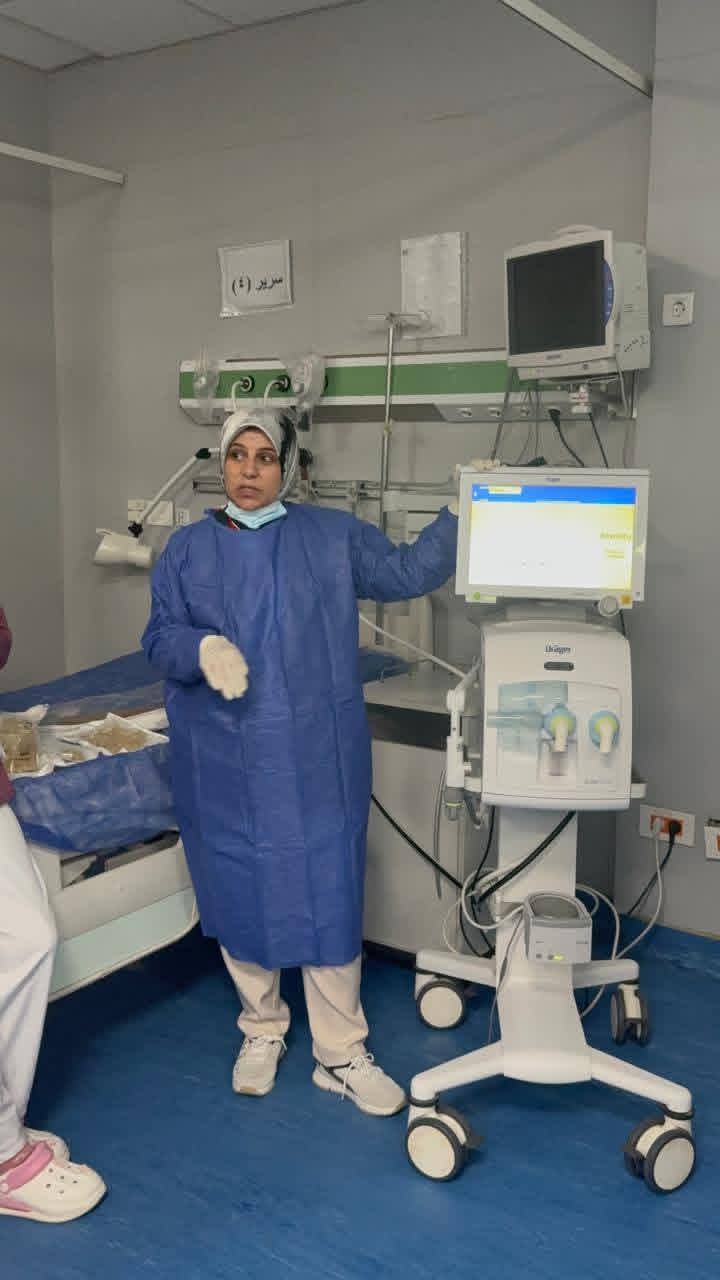
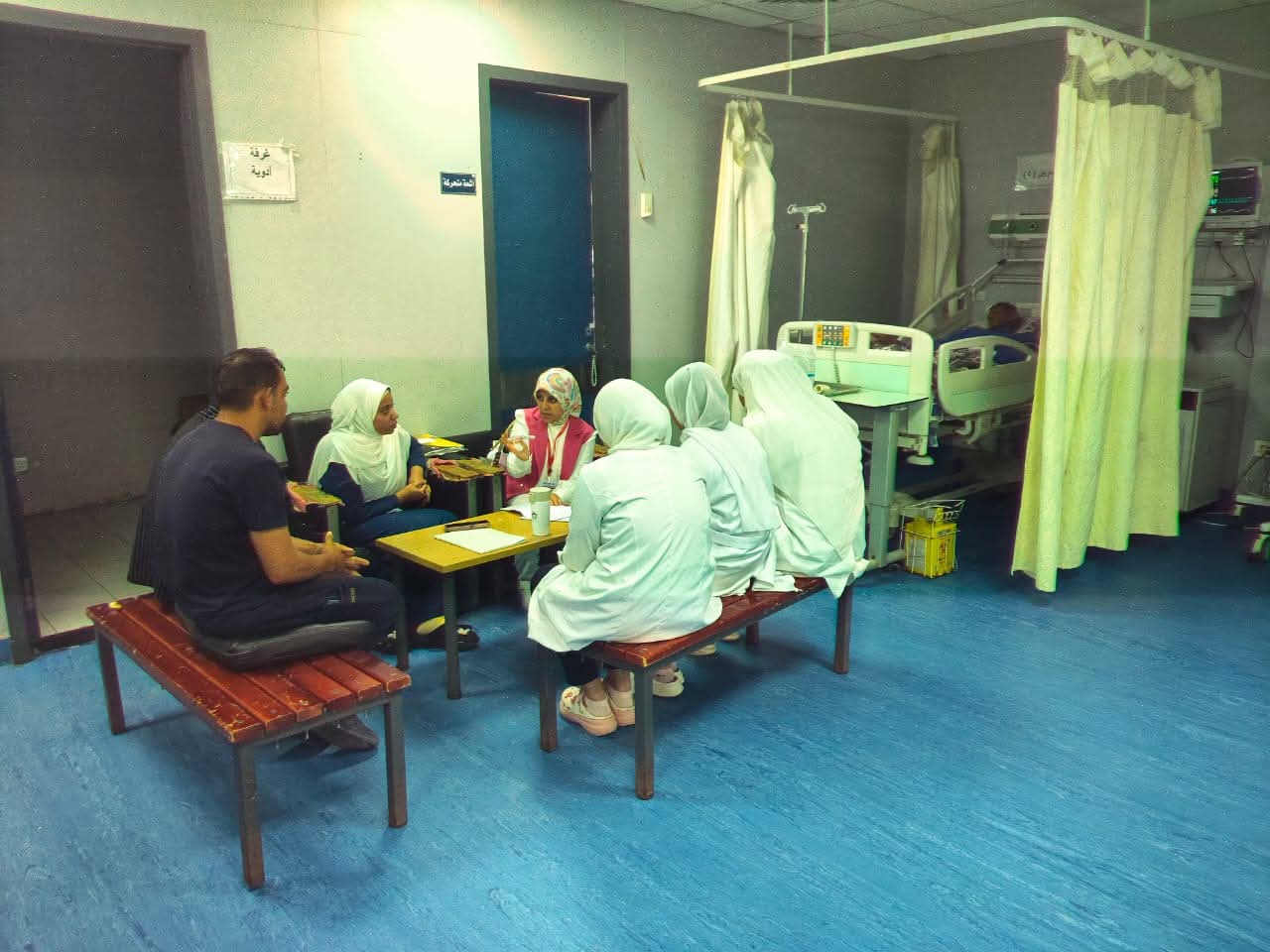
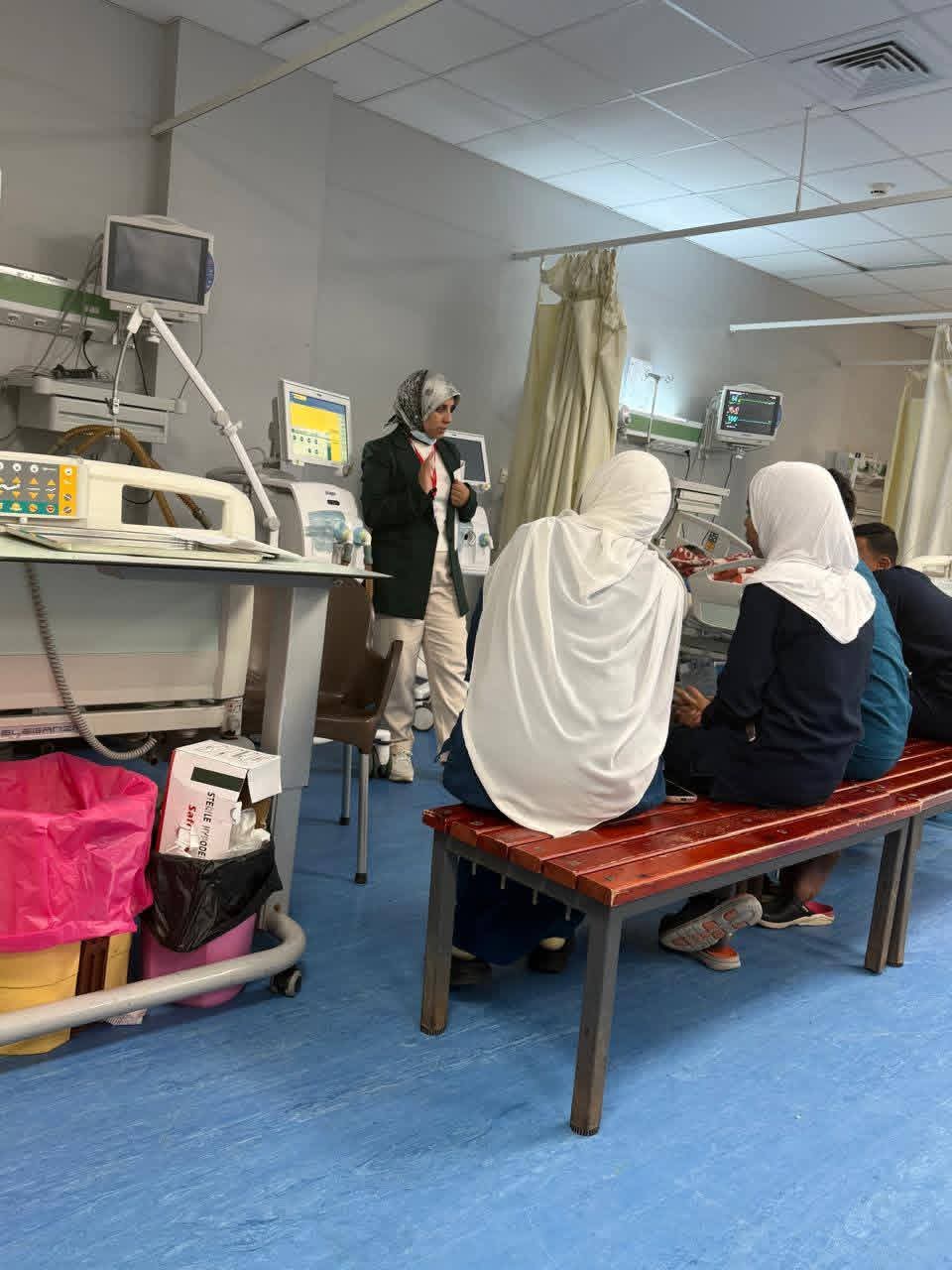
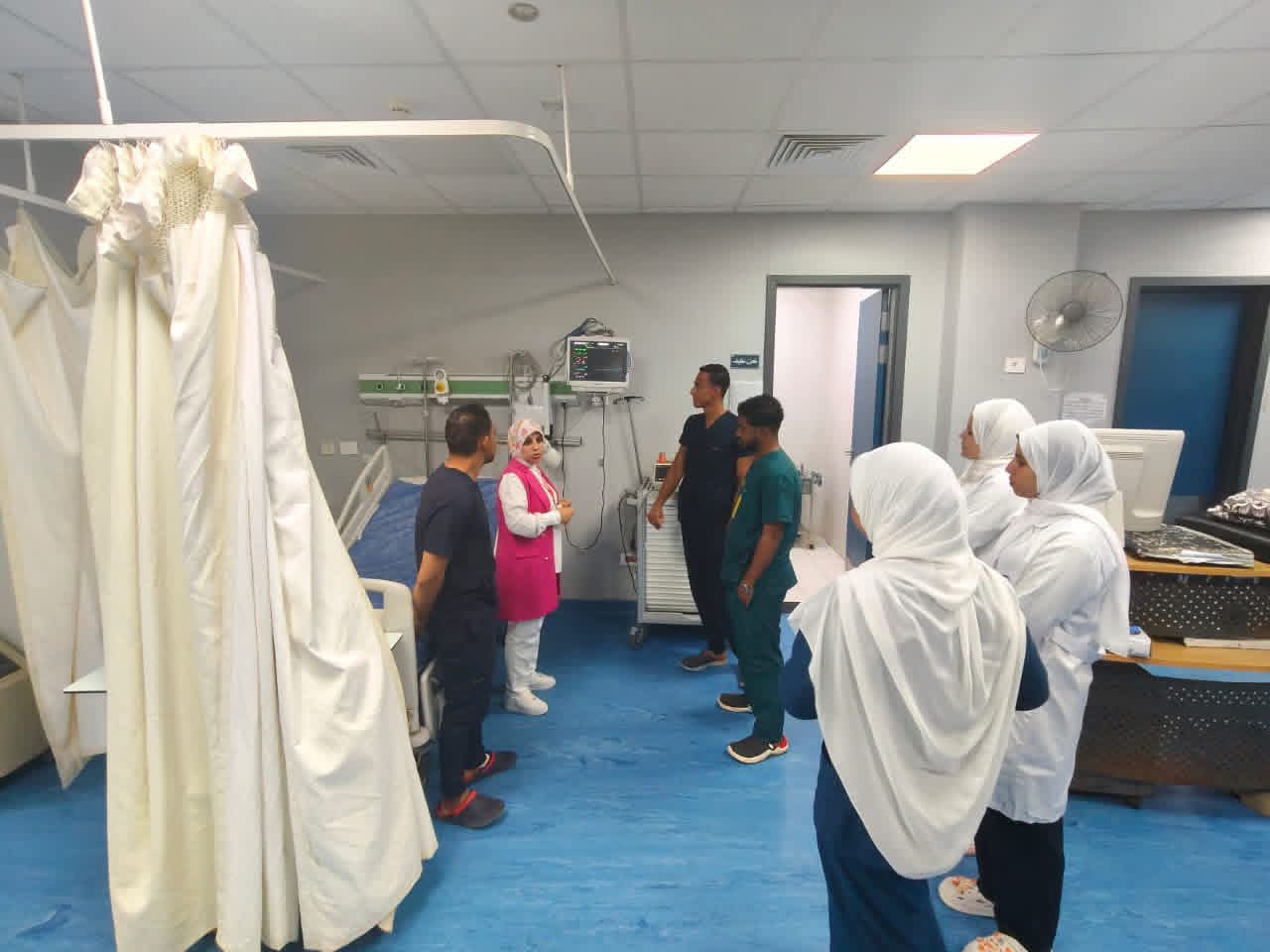
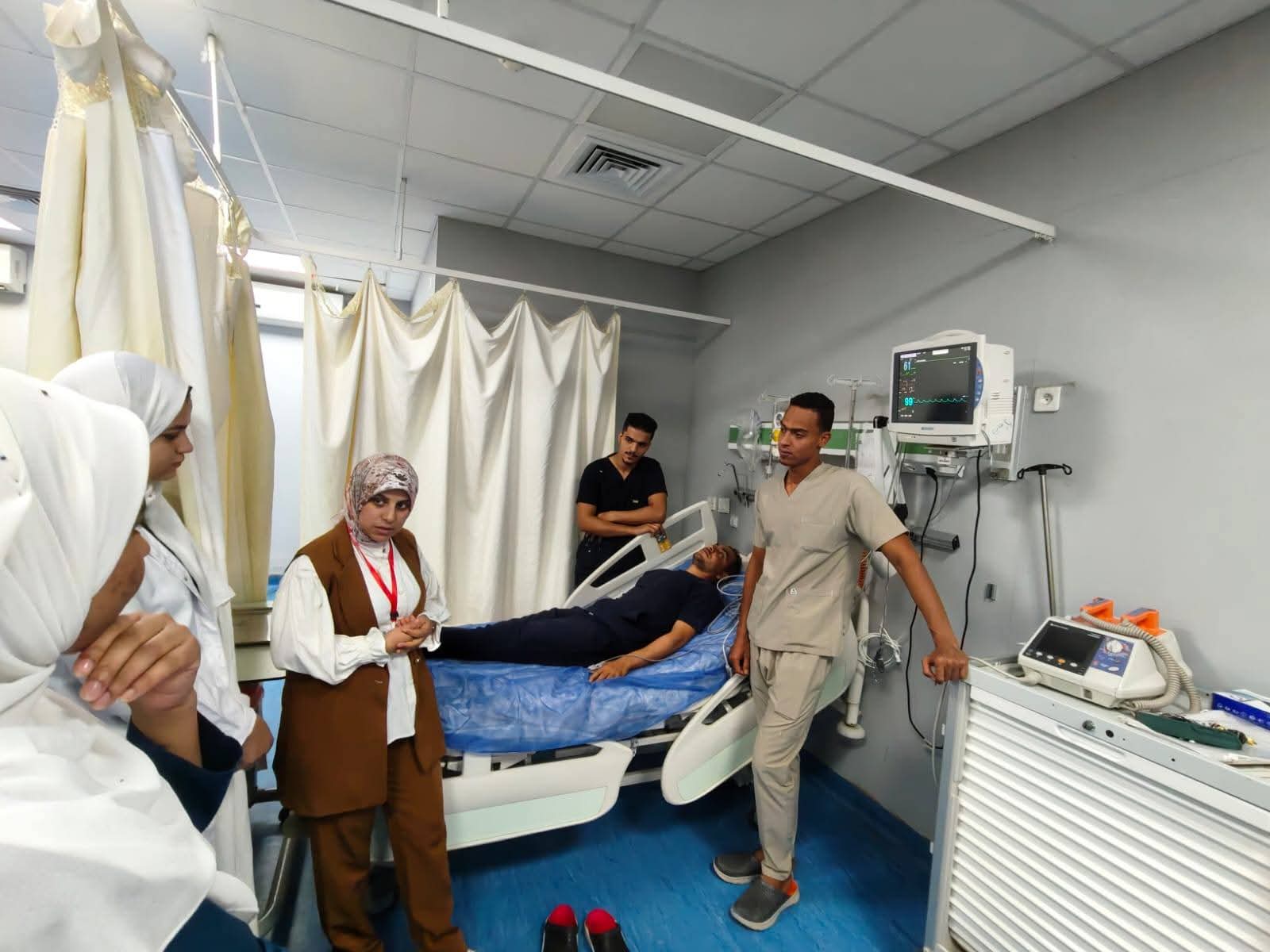
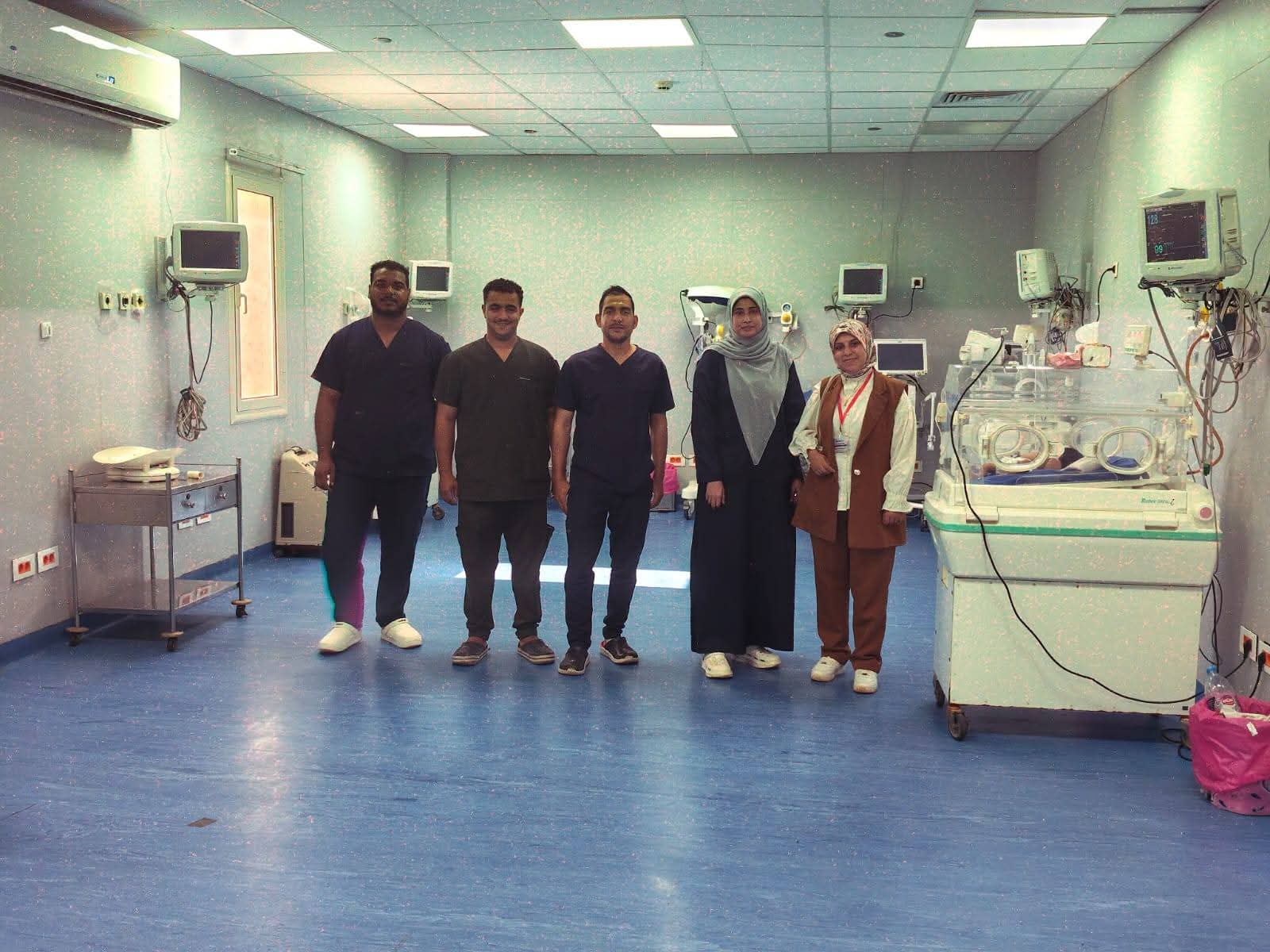
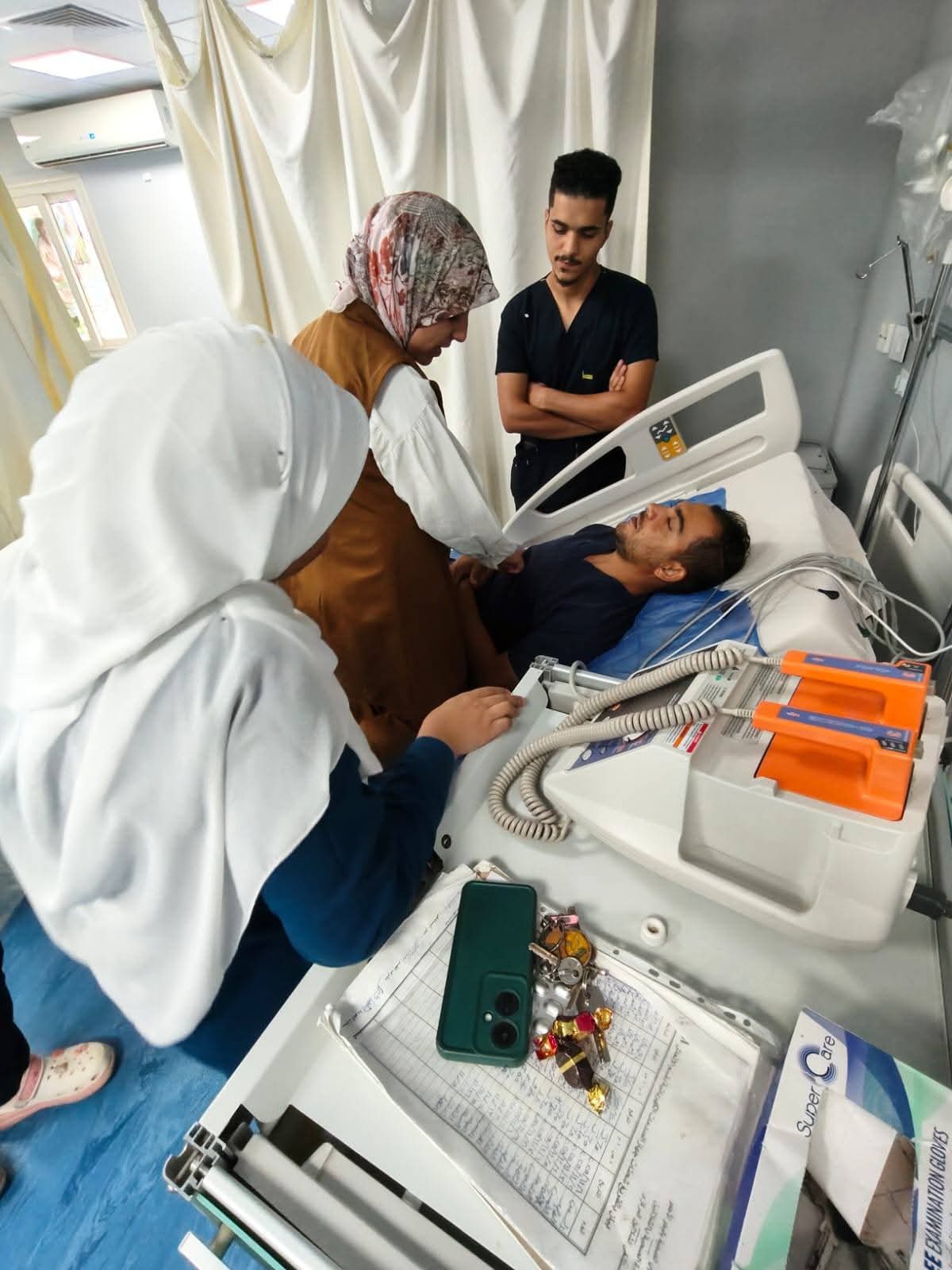
The convoy activities were launched under the supervision of Prof. Abeer Zakaria – Dean of the Faculty of Nursing, Prof. Fatma El-Emam – Vice Dean for Community Service and Environmental Development Affairs, and Prof. Asmaa Ibrahim Abu Saeda – Head of the Critical Care and Emergency Nursing Department. The convoy witnessed an active participation from the Critical Care and Emergency Nursing Department, where D. Basma Reda delivered a specialized training program for critical care nurses at Halayeb, Shalateen, and Aburamad hospitals from Sunday, 16 November to Wednesday, 19 November 2025.
The training program aimed at enhancing the competencies of healthcare providers in the region through training on:
Interpretation of arterial blood gas samples (ABG)
Clinical training on Advanced Cardiovascular Life Support (ACLS)
Assessment of patients’ level of consciousness
Proper handling of the Crash Carts
Use of the bedside Cardiac monitor and interpretation of vital signs
Management of chest tubes
Introduction to mechanical ventilation, including its components, mode of operation, and connection procedures
Principles of caring for mechanically ventilated patients
Implementation of accurate and safe handover procedures
This participation reflects the Faculty of Nursing’s commitment at Mansoura University to supporting national efforts aimed at developing healthcare personnel in border regions and enhancing the quality of healthcare services provided, thereby contributing to the achievement of the state’s sustainable development goals.